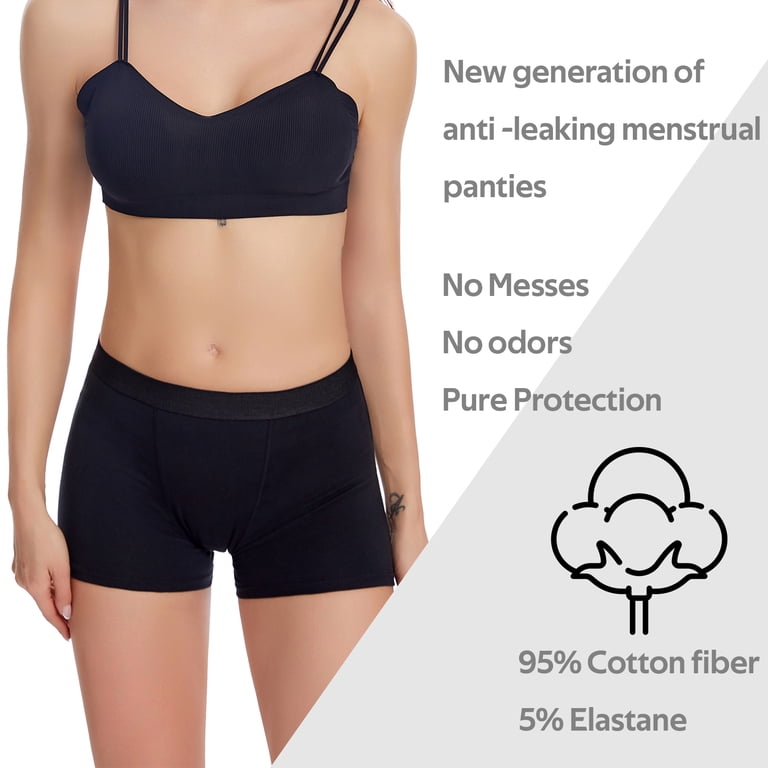
Period swimwear should be chosen by matching the garment’s tested absorbency with your usual flow, the number of hours you will wear it, and whether you need backup protection. NHS guidance says menstrual blood loss commonly falls around 20–90 mL per period, while bleeding is often heaviest during the first 2 days. ACOG considers soaking through a pad or tampon every hour for several hours a sign of heavy menstrual bleeding. For light days, a slim absorbent gusset may be enough. For heavy days, higher-capacity swimwear, shorter wear periods, a spare bottom, or a tampon or menstrual cup provides a wider margin against leaks.
Start with your own bleeding pattern rather than a product label. NHS information places typical total menstrual blood loss at about 20–90 mL over an entire period, usually lasting 2–7 days, with the heaviest bleeding often occurring during the first 2 days. A swimsuit only needs to manage the portion of that fluid released while you are wearing it, not the total amount lost across the whole cycle.
That difference explains why someone with light spotting on day 5 may need much less absorbency than the same person swimming on day 2. Northern Care Alliance guidance reports that about 90% of menstrual blood loss may occur during the first 3 days, so choosing one absorbency level for every day can result in either unnecessary bulk or too little protection.
Flow descriptions also vary between brands. “Light,” “moderate,” and “heavy” are marketing categories rather than one universal measurement system, so compare milliliter capacity when a manufacturer publishes it. One period-swimwear manufacturer, for example, lists products in the 15–35 mL range, showing how wide the capacity difference can be even within one category.
| Your usual situation | Practical swimwear setup |
|---|---|
| Spotting or very light flow | Slim absorbent gusset; standalone wear may be enough |
| Light flow for 1–3 hours | Light-to-moderate absorbency with close leg openings |
| Moderate flow | Higher absorbency plus a spare swim bottom |
| Heavy flow | Higher absorbency with a tampon or menstrual cup if suitable |
| Long pool or beach day | Spare swimwear, dry underwear, storage pouch and backup product |
Capacity should not be read as a guaranteed number of safe swimming hours. A garment rated around 20 mL could perform differently for two people because menstrual flow is not released at a constant hourly rate. Body position, movement, gusset placement, garment fit and time spent out of the water all affect how fluid reaches the absorbent area.
Medical definitions give a useful reference for the heavier end of the range. ACOG identifies bleeding lasting more than 7 days, soaking through one or more pads or tampons every hour for several consecutive hours, or needing multiple products together as signs of heavy menstrual bleeding. About one third of women seek treatment for heavy menstrual bleeding at some point.
If your pattern resembles that description, period swimwear should not be expected to replace every other menstrual product for a long day. A tampon or menstrual cup can handle menstrual fluid internally, while the absorbent swimsuit can manage small leaks that reach the fabric. Someone swimming for 45 minutes has a very different requirement from someone spending 6 hours at a water park.
Water does not switch menstruation off. While you are submerged, water pressure can make visible flow less noticeable, but menstrual bleeding can continue before, during and after swimming.
The period immediately after leaving the water deserves as much attention as the swim itself. Once you are walking, sitting on a towel, eating lunch or traveling home, the garment is functioning more like absorbent underwear while still containing moisture from the pool or sea. A 30-minute swim followed by 3 hours in the same wet swimsuit therefore creates a different use case from swimming and changing immediately afterward.
Construction matters because period swimwear must deal with fluid from two directions. The inner area needs to collect menstrual fluid, while the outer material is exposed to a much larger volume of pool or seawater. Manufacturers commonly use several thin layers instead of a thick disposable-pad structure; one commercial design describes a four-layer arrangement containing a skin-contact layer, fluid-transfer layer, absorbent section and water-resistant barrier.
A thicker gusset is not automatically better. Excess thickness can retain more external moisture, take longer to dry and feel less comfortable during kicking, sitting or walking. A more useful comparison includes published capacity, the length and width of the absorbent area, the position of the gusset and whether the surrounding fabric keeps that area close to the body.
Fit becomes more important as flow increases. A loose waistband is mostly a comfort issue, but loose leg openings can create space between the absorbent panel and the body. Even a garment designed for 20–30 mL of absorption cannot collect fluid efficiently if the gusset moves away from the intended position during swimming.
Use body measurements rather than automatically buying your normal dress size. Hip circumference, waist circumference and torso length can differ substantially between swimwear patterns, especially in one-piece suits. If the brand publishes a size chart, measure yourself before ordering and check whether the measurements refer to the body or to the unstretched garment.
A simple movement check can reveal more than standing in front of a mirror. Sit down, squat, raise one knee and bend forward. The gusset should remain against the body, and the leg opening should not gape. The waistband should stay in place without leaving painful marks after several minutes.
For light flow, that fit test often matters more than purchasing the highest absorbency available. A lighter swimsuit can dry faster and feel closer to standard swimwear, while still providing enough capacity for spotting or a low-flow day. If your period usually lasts around 5 days, as NHS guidance notes is common, the final 1–2 days may require considerably less absorbency than the beginning.
Heavy-flow users should plan around changing access. If you will be near a changing room every 1–2 hours, you have more flexibility than someone spending the afternoon on a boat or remote beach. Carrying a second period-swim bottom allows you to replace a wet or partially used garment without changing your entire outfit.
-
Pack 1 clean period-swim bottom in a dry pouch.
-
Carry 1 waterproof bag for the used garment.
-
Bring your normal internal menstrual product if you use one.
-
Pack ordinary underwear and dry clothes for the trip home.
-
Check the swimsuit after extended periods outside the water.
Ordinary disposable pads are poorly suited to swimming because their absorbent materials can take in surrounding water. Once saturated, a pad can become swollen, shift position and lose much of its usefulness for collecting menstrual fluid. Period swimwear is built differently, using a fitted textile structure intended to remain wearable when the entire garment becomes wet.
Period underwear for dry use should also not automatically be treated as swimwear. Products such as leak proof underwear may be designed for everyday menstrual or urinary leakage, while swimwear has to tolerate repeated immersion, stretch, chlorine or saltwater exposure. Unless the manufacturer specifically states that a garment is made for swimming, use it on land.
Chlorine exposure adds another consideration for regular pool swimmers. Repeated exposure can gradually reduce elasticity in swim fabrics containing elastane, and weaker stretch can change how closely the leg opening seals against the body. Someone swimming 3 times per week places far more wear on a suit over 6 months than someone using it during two annual vacations.
Care instructions therefore affect long-term performance. Rinse the swimsuit after use and follow the manufacturer’s stated washing temperature and drying method. High heat, bleach or products that coat textile fibers may not suit every technical fabric, while prolonged exposure to chlorine or salt can shorten garment life if it is not rinsed out.
Color can provide another practical layer of comfort without changing absorbency. Black, navy and darker prints make small stains less visible than pale solid fabrics. The same 15–20 mL absorbent panel does not become more protective because the outer fabric is darker, but visible staining after an unexpected leak may be less noticeable.
Medical symptoms should remain separate from clothing selection. ACOG states that changing a pad or tampon more often than every 1–2 hours, bleeding longer than 7 days, or experiencing dizziness or faintness deserves medical attention. Swimwear capacity should not be used as a way to normalize a sudden increase in bleeding.
ACOG also notes that average menstrual blood loss has often been reported around 30 mL per cycle, while chronic losses above 80 mL have historically been associated with heavy menstrual bleeding and anemia risk; measuring exact menstrual volume at home is difficult, so product-changing frequency is usually more useful.
For shopping, compare four numbers whenever they are available: absorbency in mL, recommended size measurements, expected wearing conditions and the number of spare garments you can carry. If a brand only says “heavy absorbency” without giving capacity or a clear testing method, treat the description as relative to that brand’s range rather than as a universal standard.
A light-flow swimmer using a well-fitted 15 mL design for 60–90 minutes may need nothing more, while a heavy-flow swimmer facing several hours away from changing facilities may be better served by a 25–35 mL garment plus internal protection and a spare bottom. Those numbers describe capacity planning, not guaranteed leak-free wear; individual flow rate and garment fit still determine how the swimsuit performs in practice.